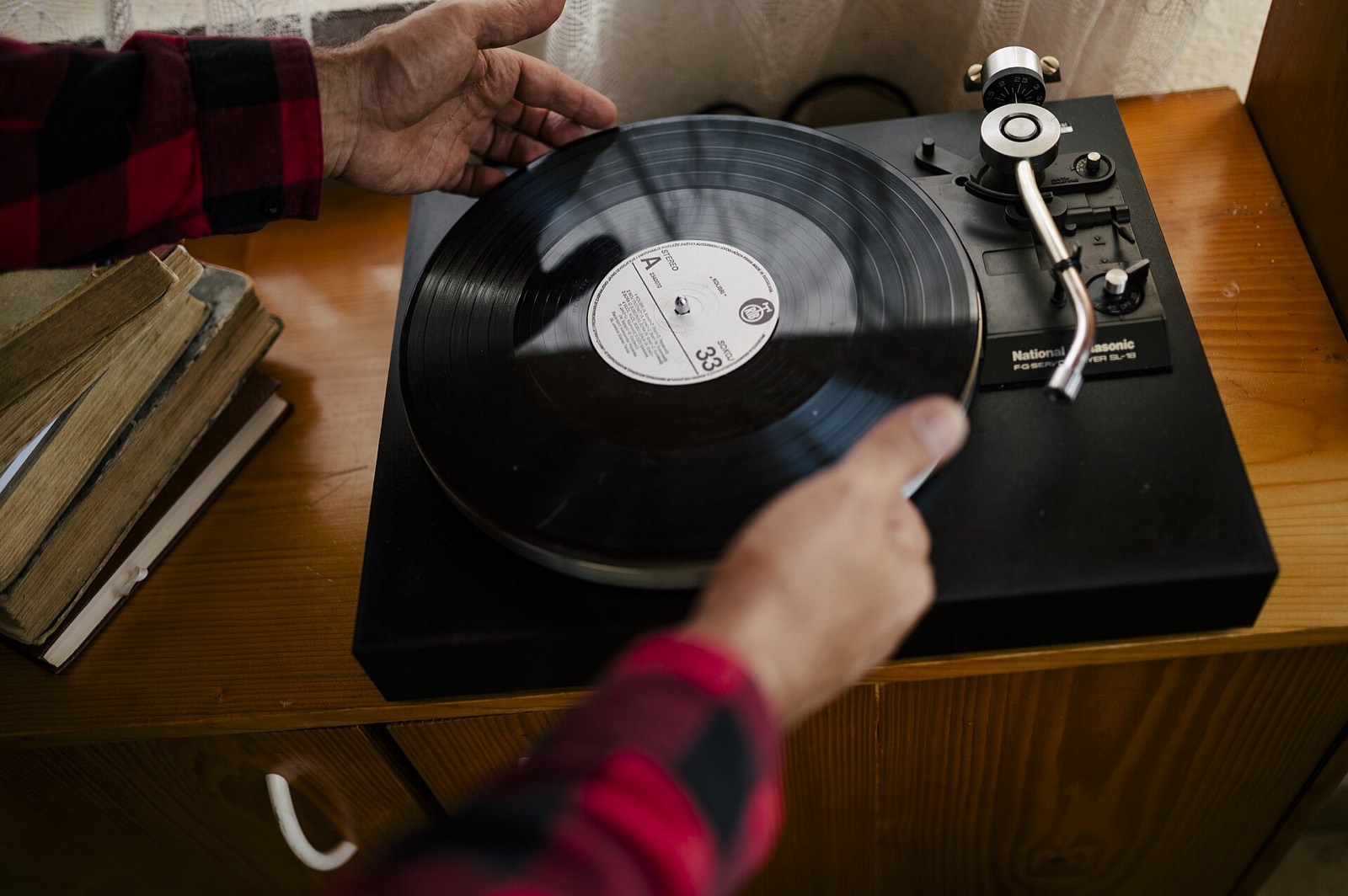
Two copies of the same album. One sells for five euros at a flea market, the other for four figures at auction. The difference is rarely luck — used vinyl prices follow a fairly predictable pattern built on three factors: which pressing it is, what condition it's in, and what demand looks like. Understand all three and you can buy and sell with open eyes.
Factor 1: The pressing
The same album often exists in dozens of editions: the original pressing, country pressings, club editions, modern represses. The price gap between them can be enormous. The original edition on the home market usually tops the table, early country pressings follow, and modern standard represses tend to hover around new retail price. Special variants — coloured vinyl, limited runs, withdrawn misprints — live their own lives and can go either way: a "limited edition" of 5,000 copies isn't, in practice, very limited.
Knowing which pressing you're holding is therefore step one of any valuation. How to identify it from the label and matrix numbers is covered in the guides on first pressings and runout codes.
Factor 2: Condition
Condition is the multiplier on everything else. The rule of thumb from the price guides: a record in Very Good condition trades at roughly a quarter of its Near Mint price — same record, same pressing. On expensive items that gets dramatic: if NM and VG are a thousand apart on a rarity, every scratch is literally worth money. Condition is graded on the Goldmine scale, separately for disc and sleeve; the whole system is explained in the grading guide.
Worth remembering in both directions: condition can't be repaired after the fact (cleaning helps against dirt, not scratches), so buy the best copy you can afford of records you care about — and grade honestly when you sell.
Factor 3: Demand
A perfect first pressing of an album nobody wants is still cheap. Demand is the third leg, and it shows up in data: Discogs displays how many people own a record (have) and how many are looking for it (want). The ratio between them is a good thermometer — more people wanting than owning means upward pressure on price. Rekord uses exactly that signal for the rarity badge on its result page.
Demand also moves with the world. Deaths, anniversaries, documentaries, a song taking off on social media — all of it can move prices fast. Genre trends work slower but stronger: interest in a genre lifts its whole catalogue, and when the wave settles, prices follow it down.
Secondary factors
- Completeness. Inserts, posters, OBI strips on Japanese pressings, original inner sleeves — missing extras cut the price noticeably on editions where they belong.
- Run size. Small runs from small labels can get expensive even in narrow genres — scarcity cuts across everything.
- Signed copies can carry a big premium, but only with credible provenance. A signature without a story is, in practice, a risk factor.
- Shipping and market. The same record costs differently in different countries — shipping, customs and local supply create lasting price gaps between markets.
Reading the market in practice
- Identify the exact pressing before looking at prices — otherwise you're comparing apples with oranges.
- Check actual sales, not asking prices. Discogs sales history shows what people really paid.
- Weigh in condition with the percentage rule: NM price × roughly 50% for VG+, 25% for VG.
- Read the have/want ratio as a demand signal.
- Compare across marketplaces — the price on one platform isn't "the price".
Rekord automates a lot of this: one scan shows live prices from several stores and marketplaces at once, with the rarity signal alongside. But the understanding of why prices look the way they do — that you need yourself, especially the day you sell.
The core
A used vinyl price is pressing times condition times demand. Two of those factors you control as a buyer — which edition you buy and in what condition. The third you can only read. Do all three before money changes hands and you already know more than most of the market.