"First pressing" is one of the most used — and most abused — phrases on the second-hand market. Used correctly, it means records from the very first production run of an edition: pressed from the first tooling, with the first labels and the first sleeve. Used incorrectly, it means "old record I'd like more money for". This guide covers what actually counts, why it moves the price, and how to check for yourself.
What a first pressing is
When an album is released, a lacquer is cut, tooling is made, and a first run is pressed. Everything pressed after that — new runs to meet demand, new countries, new distributors — is a later pressing, even if it followed within months. The dividing line can be obvious (a new label design) or subtle (same design, different plant). Discogs separates editions on exactly those details, which is why one release page can list dozens of variants of the same album.
Why collectors pay more
Three reasons usually drive the premium. First, proximity: a first pressing is made from the earliest tooling, closest to the original cut. Second, scarcity: first runs were often smaller than the mass runs that followed, and fewer copies survive in good condition. Third, provenance — the feeling of holding the copy that sat in shops when the album was new. Note what's not on the list: guaranteed better sound. A well-made later pressing can sound excellent, and a worn first pressing sounds worse than a clean fifth. The premium is fundamentally a collector's premium, not an audio guarantee.
The details that give it away
No single detail is enough — it's the combination that identifies an edition.
The label
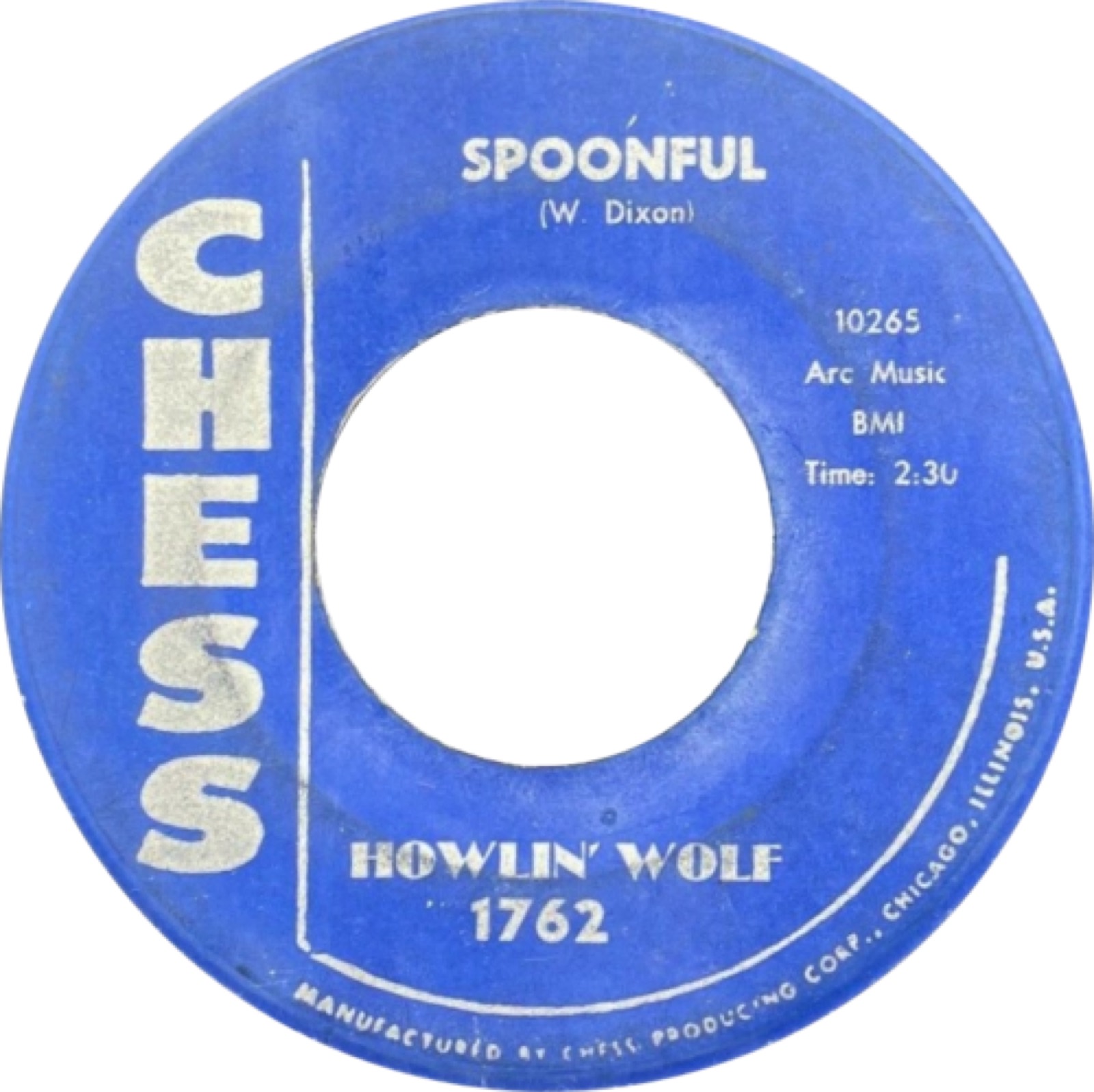
Record company labels changed over time: logo variants, colours, address lines, rights text. A label carrying the company's address from the wrong decade exposes a later pressing instantly. Compare typography and layout against documented originals on Discogs.
Catalogue number and barcode
The catalogue number should match the original edition for the country. A barcode on the sleeve of an early-seventies album is a clear repress signal — barcodes only became common on record sleeves around the eighties.
The runout
The matrix numbers in the wax are the most reliable marker: cut codes, stamper numbers and plant marks separate editions that look identical from the outside. How to read them is covered in the guide on runout and matrix numbers.
Sleeve and inserts
First sleeve versions can carry details that changed later: lamination, print technique, back-cover address, inserts, posters. Missing extras lower the value even on a genuine first pressing.
Original in which country?
A common mix-up: "the original" means the original edition on the record's home market. A British album has its original in the UK; a Swedish pressing of the same album from the same year is a Swedish original but not the original of the release. Both can be collectable — but they're priced differently, and a listing should tell them apart.
How to check in practice
- Look the album up on Discogs and identify the original edition for the right country and year.
- Compare the label's design, text and address lines against that edition's photos.
- Read the runout and compare against the edition's "Matrix / Runout" field.
- Check the sleeve: barcode, print details, inserts.
- If everything matches — you likely have a first pressing. If only most of it matches: assume a later pressing until proven otherwise.
Rekord lets you go the other way: scan the record, open "Exact pressing" and type in the matrix number — the edition is identified for you, with current market prices for that specific pressing.
Rules of thumb
- First pressing is a factual claim, not a feeling — it can be verified.
- Pay original-pressing money only when label, runout and sleeve all point the same way.
- A later pressing in top condition is often a better buy than a worn first — except for those collecting originality itself.
- Document your own finds: copy the matrix codes when you buy, and you won't have to redo the work when you sell.
The first pressing is vinyl collecting's answer to a book's first edition. It isn't always the best read — but it's the one everyone wants on the shelf.