Swedish record shelves are full of pressings that look ordinary but are hunted by collectors far beyond the country's borders. Sometimes for the music, sometimes because the Swedish edition is the original — and sometimes because the run was small and time ate the rest. Here are the categories worth knowing before the next estate clearance, flea market or basement purge.
Why Swedish pressings matter at all
Three reasons. First: for Swedish artists, the Swedish pressing is often the original itself — and home-market originals are what collectors worldwide prioritise. Second: during vinyl's golden years Sweden had a thriving industry with its own labels — Polar, Metronome, Sonet, Silence — whose catalogues are collector territory today. Third: small runs. A Swedish edition pressed for a market of eight million people is by definition scarcer than an American one pressed for thirty times more.
ABBA on Polar — the originals
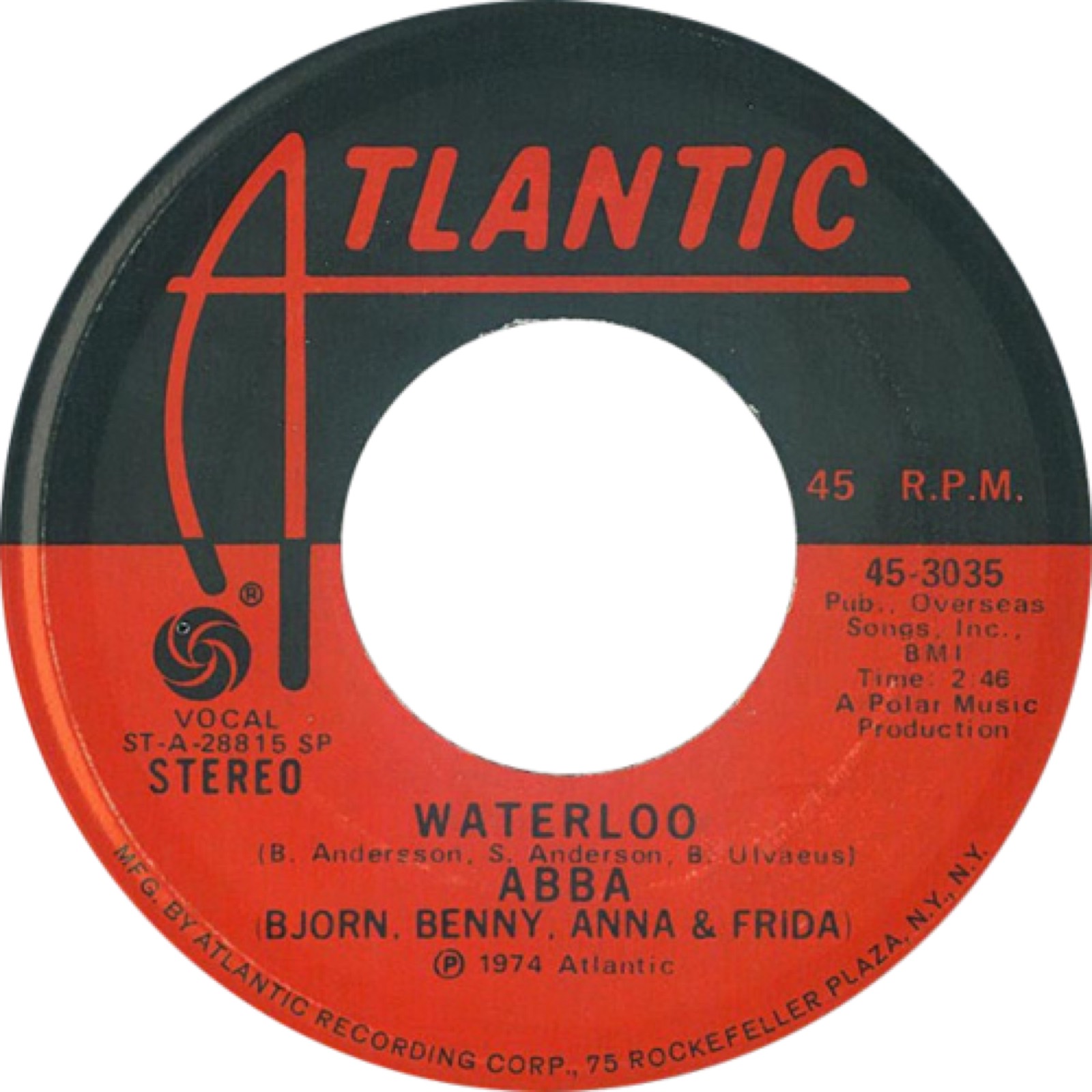
ABBA is Sweden's biggest vinyl export, and their originals are on Polar. That's easy to forget in a world full of ABBA pressings: they were pressed locally in almost every country, and foreign editions are mostly common. But the Polar originals — especially early pressings in fine condition, and singles from the years before the breakthrough — are what international collectors look for. The difference shows on the label: the Polar logo and "A Polar Music Production". A Swedish attic can hold editions more interesting than the same titles bought abroad.
Swedish prog and psychedelia — Silence and its circle
The early-seventies Swedish prog and psych scene was pressed in small runs that today rank among the country's most sought-after vinyl. Labels like Silence released bands whose originals are now genuinely hard to find: Träd, Gräs och Stenar and the circle around them (Parson Sound, International Harvester), Älgarnas Trädgård and more. The records were often sold at gigs and through narrow channels; surviving copies in good condition are few, and international psych collecting has turned them into an export. If you see a Swedish prog original in a crate — look it up before it sells for pocket change.
Metronome, Sonet and Swedish jazz
Swedish fifties and sixties jazz on Metronome and Gazell/Sonet is a collecting niche of its own, with Lars Gullin as its clearest name. Originals in good condition trade internationally — jazz collectors care notoriously much about original pressings. Monica Zetterlund's recording with the Bill Evans trio is among the most talked-about Swedish jazz editions in collector circles; original copies surface rarely and are watched closely when they do.
Punk and DIY — small runs, big demand
Swedish punk from the late seventies and early eighties was often pressed in runs of a few thousand or fewer, on small labels and sometimes self-released. Ebba Grön's early releases, KSMB and a long tail of more obscure singles are sought after both in Sweden and internationally — small-run punk singles are one of the most active collecting niches anywhere. Condition and complete sleeves weigh heavily: these records were rarely handled gently.
The nineties and beyond — vinyl from the CD era
An underrated category: Swedish albums from the nineties and early two-thousands, when vinyl runs were minimal because everyone bought CDs. Albums by Kent and bob hund were pressed on vinyl in small quantities that are hard to find today — fan demand remains, but supply faded with time. The same pattern exists internationally, but Swedish artists with devoted audiences are a clear local example. Always check vinyl editions of Swedish nineties albums before they're given away.
How to recognise them
- The label: Swedish company names (Polar, Metronome, Silence, Sonet, Mistlur, Rosa Honung) are the first signal.
- The runout: Swedish pressings often carry Swedish matrix codes — compare against Discogs' "Matrix / Runout" as shown in the runout guide.
- Sleeve details: Swedish text, Swedish printers, prices in kronor.
- Check demand: a scan in Rekord shows the have/want signal and live prices — a good first filter at a crate of unknown titles.
The rule of thumb
Swedish pressings follow the same value logic as all vinyl — pressing, condition, demand — with a local twist: what's ordinary here can be the original the rest of the world is hunting. Never discard a Swedish original unidentified. The lookup takes two minutes; the mistake can cost real money.